Classic Brazilian Caipirinha (Official National Cocktail Recipe)
The authentic national cocktail of Brazil made with fresh juicy limes, pure cane sugar, and authentic Brazilian cachaça. Bracingly crisp, balanced, and ready in 3 minutes.
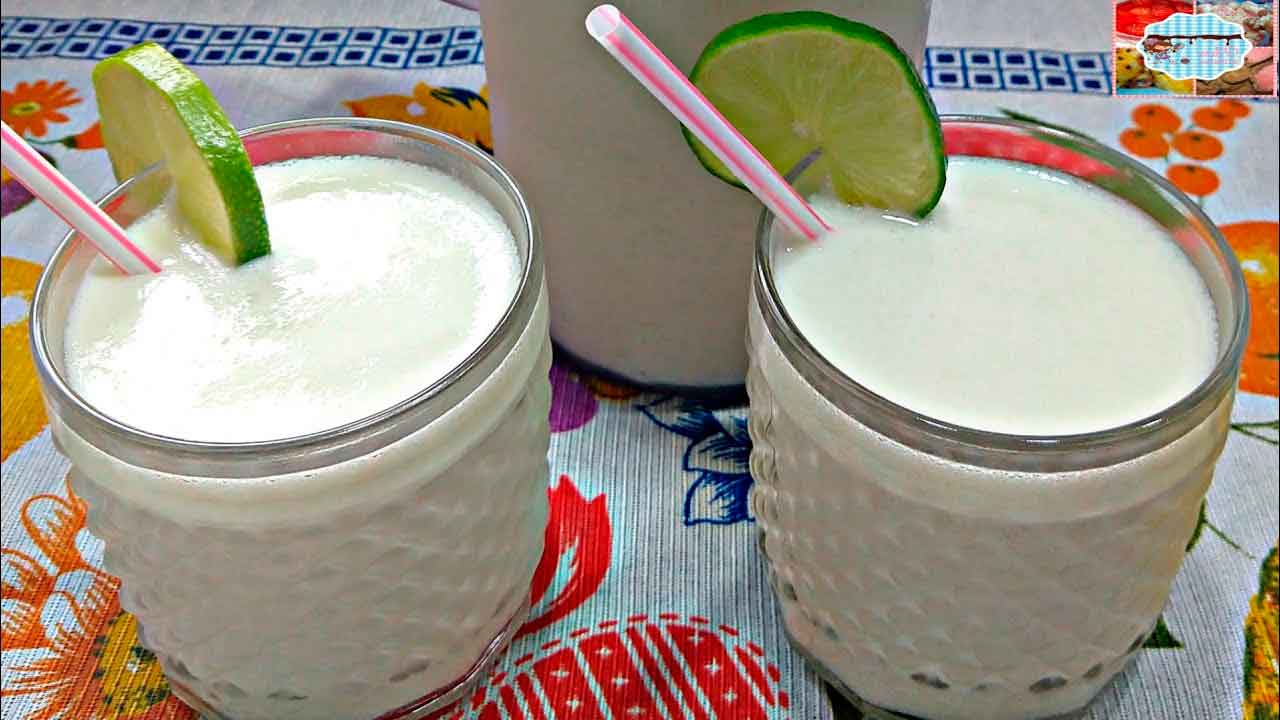
Brazil in a Glass: The Authentic Caipirinha
There is no drink on earth that encapsulates the vibrancy, sunshine, and joyful spirit of Brazil quite like the Caipirinha (pronounced kye-peer-EEN-yah).
Born in the countryside of São Paulo (caipira means country folk), this world-famous drink is recognized as Brazil’s official national cocktail by federal law and by the International Bartenders Association (IBA).
Made with only three essential components—fresh lime, granulated sugar, and Brazilian sugarcane spirit (cachaça)—perfection lies entirely in technique. Here is how authentic Brazilian bartenders craft it from Copacabana beach to the hills of Minas Gerais.
Ingredients (US Customary & Metric)
- Fresh Lime (Thin-skinned Persian Lime): 1 whole juicy lime
- Granulated White Cane Sugar: 2 teaspoons / 10g (or 1 tablespoon for a sweeter drink)
- Authentic Brazilian Cachaça (Silver/Branca): 2 oz / 60ml
- Ice: 1 cup of crushed or cracked ice cubes
Key Ingredient Notes & Substitutions
- The Spirit (Cachaça): Look for unaged “prata” or “branca” (silver/clear) cachaça such as Leblon, Novo Fogo, Cachaça 51, or Ypióca. Unaged cachaça highlights crisp sugarcane brightness without overwhelming oak.
- The Sugar: Granulated white sugar is the traditional choice because the abrasive sugar granules scrape against the lime rind while muddling, releasing citrus oils.
- The Limes: Choose limes that feel heavy for their size with smooth, thin skins—they yield maximum juice and minimum bitter pith.
Step-by-Step Instructions
1. Prep the Lime (The Anti-Bitterness Cut)
- Wash the lime thoroughly and trim off both stem ends.
- Cut the lime in half lengthwise.
- Slice along the center core to completely cut away the white spongy central pith from both halves. This eliminates 90% of potential bitterness.
- Slice each lime half into 4 small wedges (yielding 8 wedges total).
2. Muddle with Sugar
- Place the lime wedges into a sturdy short rocks glass (old fashioned glass), flesh side facing upward.
- Sprinkle the 2 teaspoons of granulated sugar directly over the limes.
- Using a wooden cocktail muddler, press down firmly on the pulp to extract the juice and dissolve the sugar. Chef’s Rule: Muddle firmly on the flesh, but avoid violently pulverizing the green skin.
3. Add Ice & Pour Cachaça
- Fill the glass to the brim with crushed or cracked ice cubes.
- Pour 2 oz (60ml) of cachaça directly over the ice.
4. Stir & Serve
- Using a bar spoon or cocktail stirrer, stir vigorously from the bottom up for 10 seconds to lift the melted sugar and citrus juice into the spirit and chill the drink.
- Garnish with a thin lime wheel and serve immediately. Saúde!
Chef Mary’s Pro Variations
- Caipifruta (Tropical Fruit Variations): Brazilians love muddling seasonal tropical fruits along with the lime. Try adding 3 fresh passion fruit seeds (Maracujá), 4 ripe strawberries (Morango), or fresh kiwi chunks.
- Caipiroska: If cachaça is unavailable in your local store, high-quality premium vodka produces a wonderfully crisp, crowd-pleasing cocktail.
❓ Frequently Asked Questions
What is cachaça and what can I substitute if I cannot find it? ▼
Cachaça (pronounced kah-SHAH-sah) is Brazil's national spirit distilled directly from fresh, raw sugarcane juice, unlike standard rum which is distilled from molasses. This gives cachaça fresh, grassy, and floral vegetal notes. If unavailable, you can substitute white rum (called a Caipiríssima) or vodka (called a Caipiroska), though true Brazilian flavor requires unaged silver cachaça.
Why do my Caipirinhas taste bitter? ▼
Bitterness comes from two mistakes: 1) Leaving the spongy white central pith in the lime, and 2) Over-muddling the bitter green lime peel. Always slice out the white central pith and muddle gently—press firmly to release the juices and essential oils without crushing the white skin to pulp.
Should I use simple syrup or granulated sugar? ▼
Traditional Brazilian bartenders insist on granulated sugar. The coarse sugar crystals act as an abrasive against the lime peel when muddling, extracting fragrant aromatic citrus oils that simple syrup simply cannot replicate.
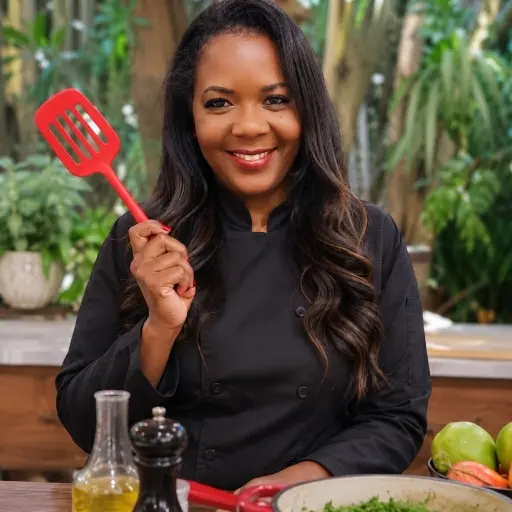
Chef Mary Rodrigues
Head culinary author at Descomplicando Receitas. Mary specializes in authentic Brazilian home cooking, sharing time-honored heritage recipes tested with international grocery staples so food lovers worldwide can enjoy the true flavors of Brazil.
More Authentic Brazilian Classics
View All →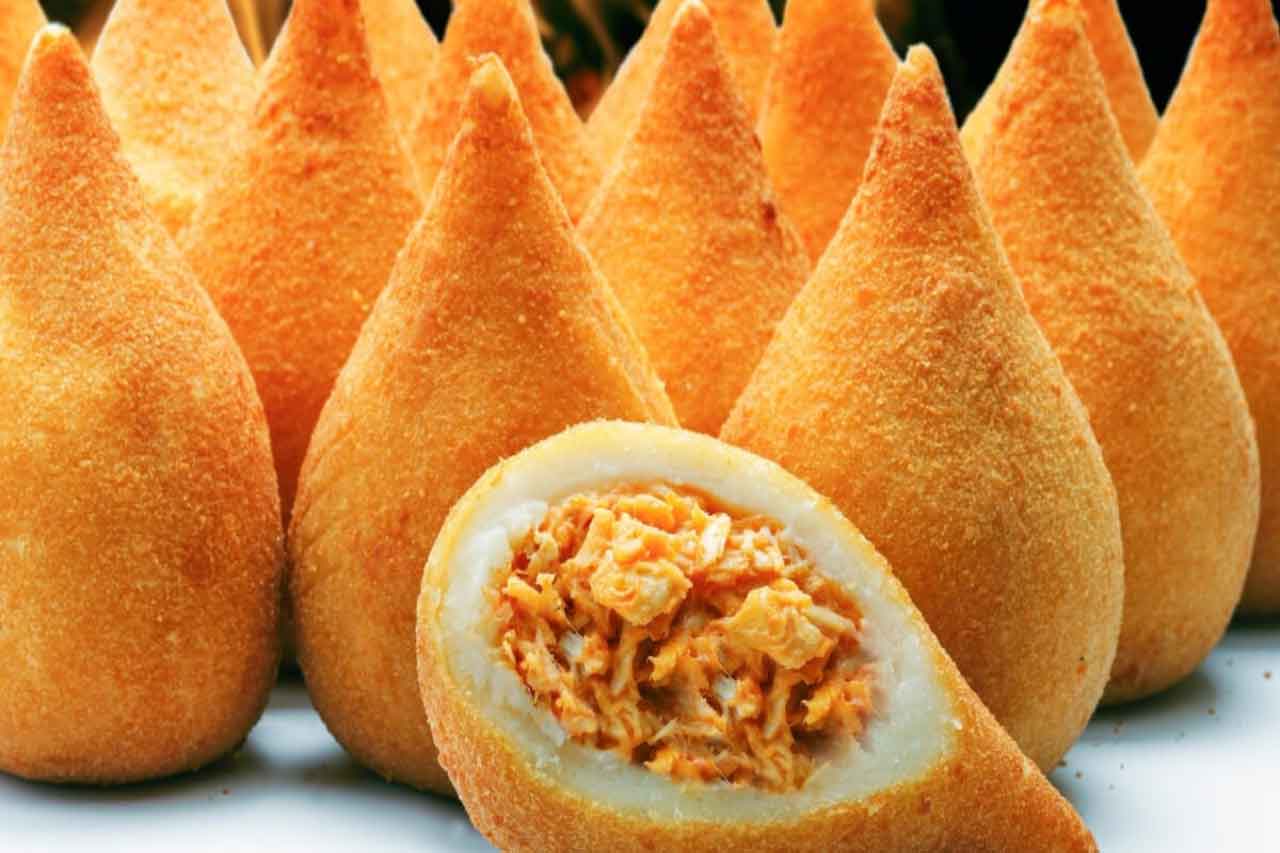
Authentic Brazilian Coxinha (Crispy Chicken Croquettes)
⏱️ 40 min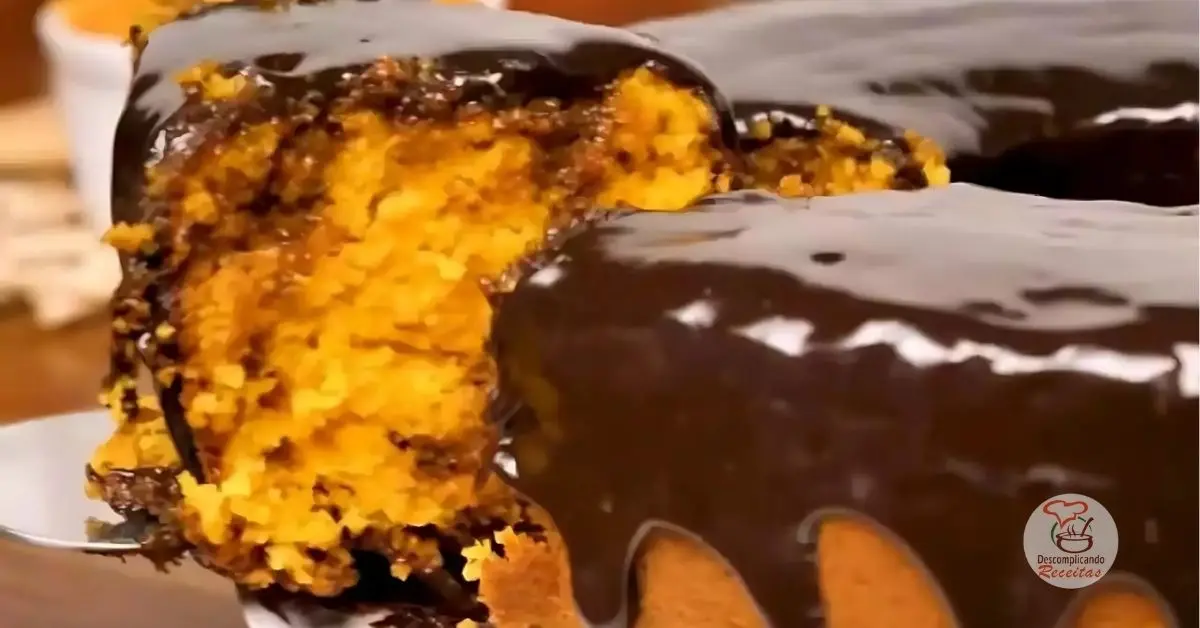
Authentic Brazilian Carrot Cake with Chocolate Fudge Glaze (Bolo de Cenoura)
⏱️ 15 min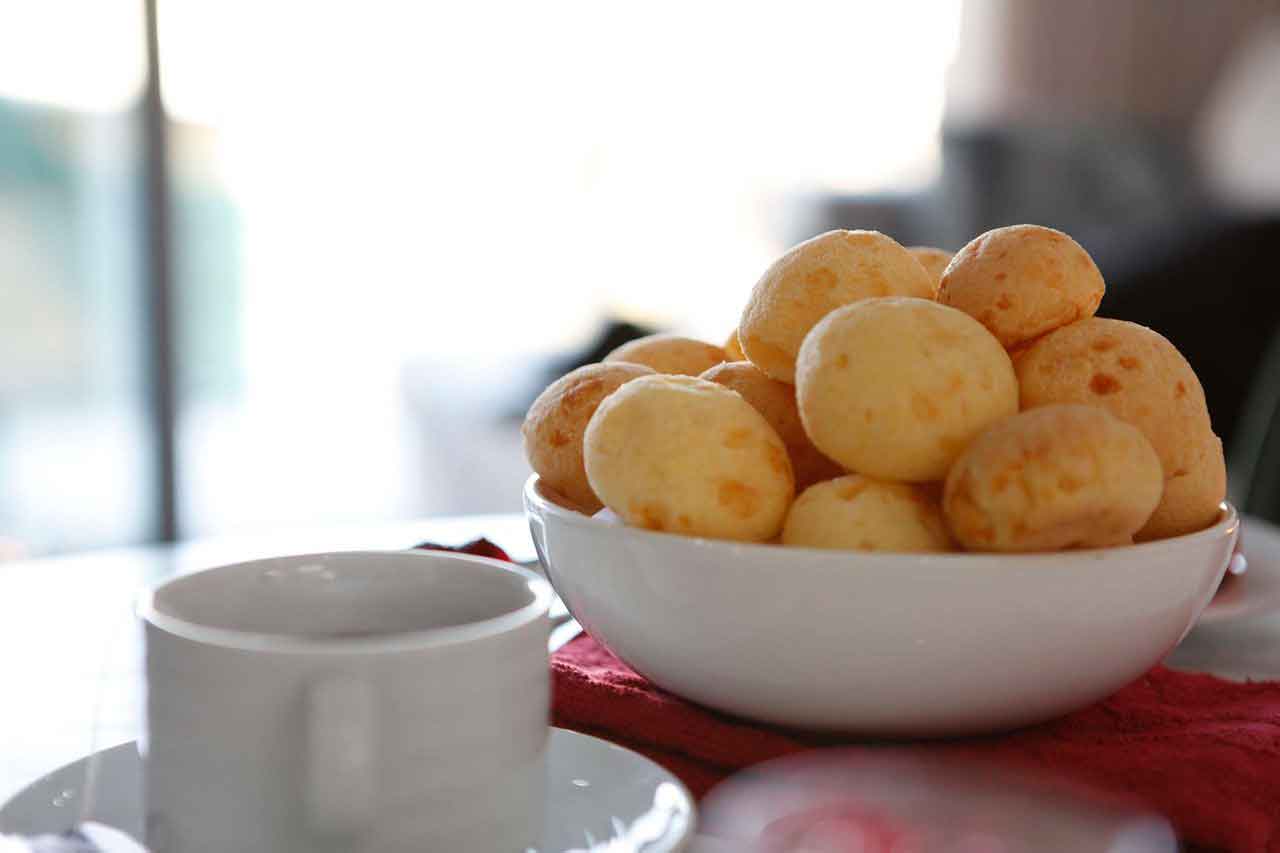
Authentic Brazilian Cheese Bread (Pão de Queijo)
⏱️ 15 min